Main Menu

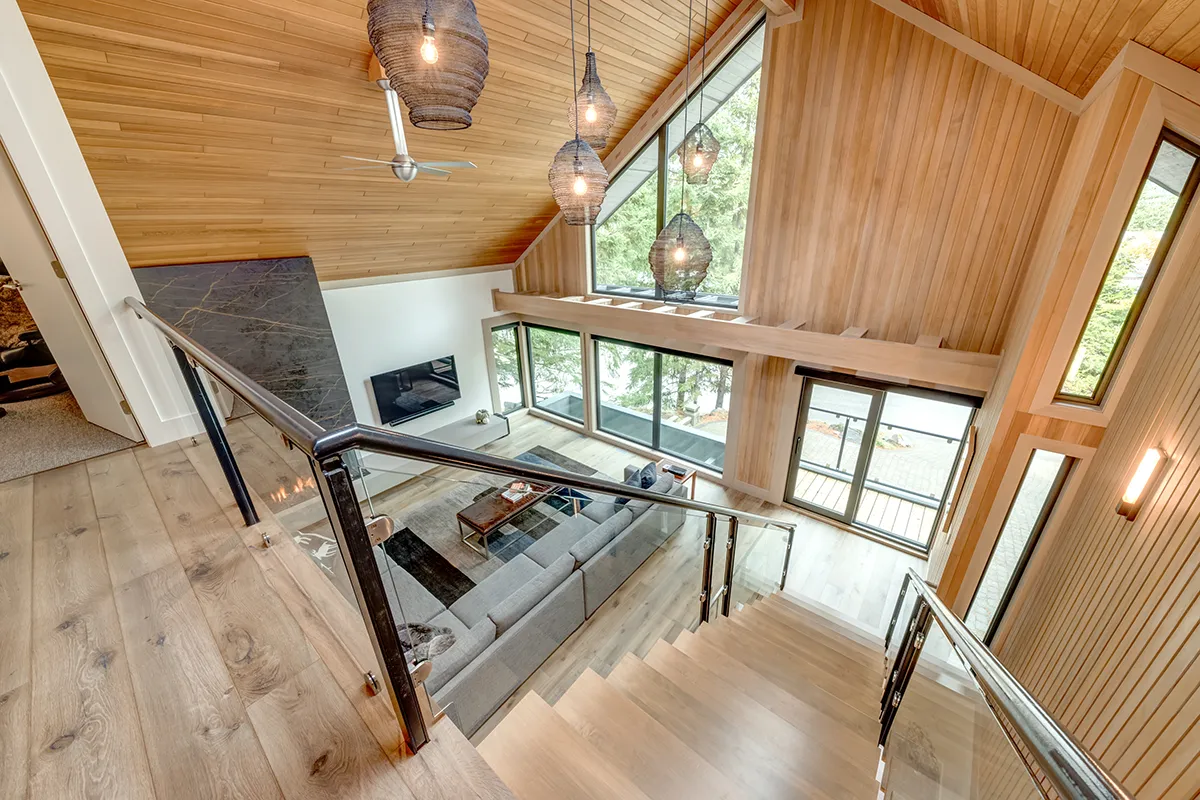
When a homeowner first reaches out to RDC Fine Homes, the very first thing we try to do is make sure we are a good fit for each other.
That matters more than people realize. A lot of projects go sideways because someone rushed into construction, or chose a builder who simply agreed with everything instead of being honest about time, cost, and what it actually takes to build well.
So, what does “a good fit” look like, and how do you reduce risk before you ever break ground?
Right out of the gate, we need to understand where the project is located. RDC works in the Sea-to-Sky Corridor and into North and West Vancouver. If someone wants to build outside of that region, we are probably not the right builder for them, and it is better to learn that early.
Next is the type of work. Is it a renovation or a new build? Those are very different projects with different risks and different cost drivers.
And then there’s the budget. Construction has a certain cost, and while there can be flexibility in how money is spent, there are times when the budget does not align with the scope or the design expectations. In those cases, we might not be a good fit, or we may need to help the homeowner rework the scope so the project can actually succeed.
It is exciting to get started. Sometimes a builder has an opening in their schedule, and that makes it even more tempting to jump in.
But one of the biggest red flags we see in projects that go sideways is when people rush into construction without clearly understanding the true scope and nature of what they are building. If you do not have your design scope nailed down and you have not thought through interior design finishes and how those choices affect your budget, you can end up halfway through a project, having spent 90% of the budget with 10% left to finish.
At that point, you really have two choices. You either go get more money, or you dramatically reduce your expectations on how the project gets finished. Neither option feels good.
That is why we push hard for clarity before you break ground.
At RDC, we typically start with a pre-construction agreement. Some people see pre-construction as “a small part of the work,” but it is one of the most important parts of the entire project.
Pre-construction is not just handing a set of drawings to a builder, signing a construction contract, and expecting work to start next week.
The goal is to put time into design development and budgeting so that everyone understands these 3 questions:
To do that well, we need real input from the trades and suppliers. We can have a general idea of what things should cost based on previous projects, but custom residential construction is exactly that: custom.
Every project has its own nuances and idiosyncrasies, and accurate pricing comes from having the right people looking at the actual drawings and specifications.
There is also a scheduling advantage to this. The earlier we can bring trades into the process, the more likely we are to get them into the project schedule so they are ready when we need them. If we engage trades late, there is a high probability they cannot meet the schedule, and that creates drag that can delay the delivery of the project.
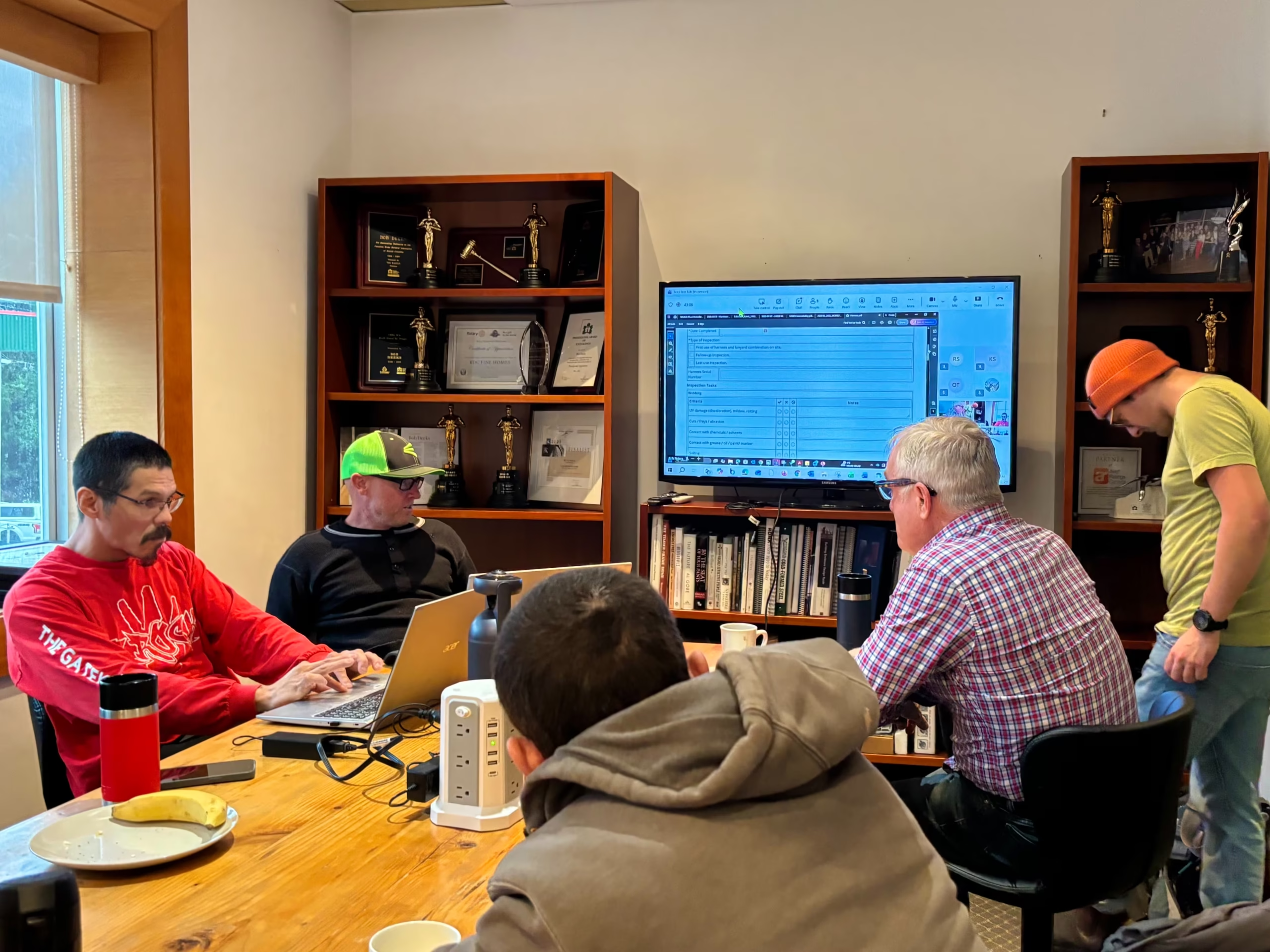
Construction is known for risk. Risk on schedule, risk on quality, and most importantly for most homeowners, risk on budget.
You will hear people joke about renovations: “pick your budget and then double it.” Unfortunately, that happens more often than it should in our industry.
The best way to manage risk is to bring as much information forward as possible in pre-construction. If someone has a hard budget number, the only way to be certain it is realistic is to specifically design to that budget and gather trade input early.
Sometimes homeowners start with a design they love, then we go through the process and it becomes clear the design does not fit the budget. That is not failure. That is good information arriving early enough to do something about it. Before construction starts, you can reduce the scope or increase the budget. If you rush into construction with a project that is too big for the money allocated, you end up back at the same conundrum later, but with fewer options and higher costs.
At RDC Fine Homes, we do not want to start work until we have an approved design and an approved budget based on trade input.
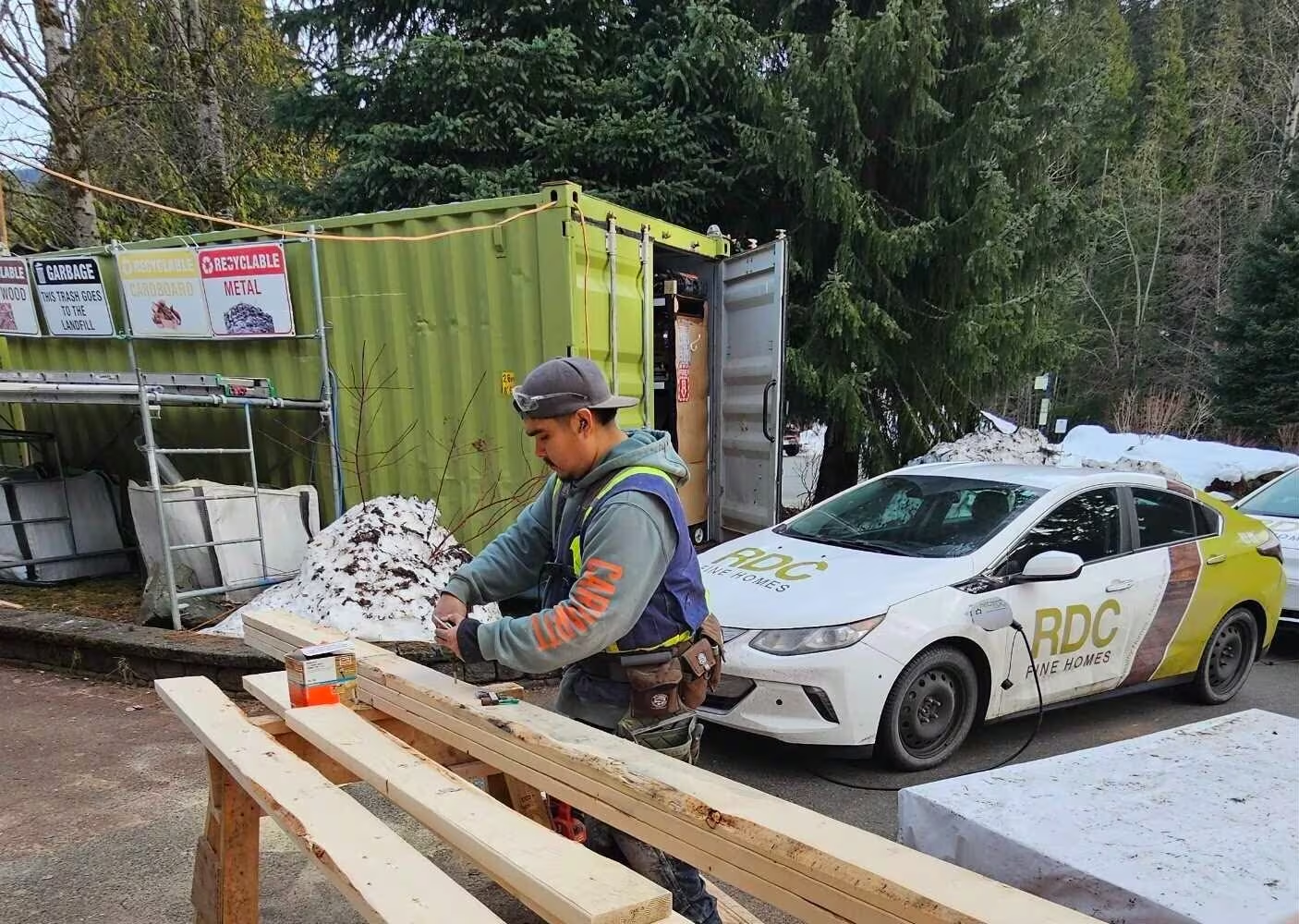
Ideally, we want to help the homeowner bring their project team together early. That starts with the architect or designer, and it includes engineering professionals for structural design.
A key person that too many people bring in too late is the energy advisor.
Here is why. A homeowner can design their dream house, then go to get it energy modelled and discover that step code requirements will drive excessive cost. In many cases, that could have been moderated by simple changes in the original design. Once a design has gone too far down the road and the investment has been made, it can start to look impractical and unaffordable to undo it.
Step code compliance can be very simple, or it can become very complex and expensive. A simple form, like a square box with a low-slope roof and minimal windows, tends to be the most economical approach for step code compliance. That does not mean every home should be a box, but it does mean design choices have consequences for cost and energy performance.
On the extreme end, it is possible to design something that will not comply, especially in a cold climate zone. That is why experience matters, and why we want these discussions early, not after the design is “done.”
Everybody has a budget. Very rarely does anyone say they do not care what it costs. That means there will always be compromises, and the question becomes: where do you spend money so the house performs and lasts?
One of the first things to consider is how big a house you really need. Building extra space you may not use can consume budget that would have been better invested in the finishes and systems that make the home comfortable, durable, and healthy. You are often better off with a slightly smaller home with better finishes than a very large home with cheap finishes.
Our advice is to invest in durable finishes and assemblies that support thermal comfort and indoor air quality. Beyond anything else, we want to build houses that are comfortable and healthy for families, with material choices that reduce maintenance costs in the short and long term.

Drywall is one of those moments where the physical work and the decision-making have to line up.
There are physical things that need to be installed before drywall goes on, and there are decisions that need to be made so the finishing phase can move smoothly afterward.
Some examples of decisions and items that need to be locked in before drywall:
My rule of thumb is simple: any change you make after drywall that was not anticipated in the design and budget will likely cost you double what it would have cost if it was designed into the house from the beginning.

If you want one example of a mistake that can look small early and become massive later, it is not doing a proper mechanical design when you are doing architectural and structural design.
In high-performance homes, the building envelope is more airtight and better insulated, and that changes how systems need to be sized. Counterintuitively, oversizing equipment in a modern high performance home can lead to worse performance. The system can satisfy a single thermostat too quickly, not run long enough to properly condition the space, and you end up with inconsistent temperatures from room to room.
A practical question homeowners can ask a builder is whether they use a CSA F280 compliance model when designing mechanical systems. That standard helps determine correct sizing and identifies heat gain and heat loss, even room by room. It is required by the BC Building Code, even if it is not always enforced the way it should be.
With electrification, there is a lot of emphasis on heat pumps, and there is also a lot of misunderstanding.
Heat pumps vary. There are decent ones, good ones, and exceptionally good cold climate heat pumps. Better units tend to be quieter and more energy efficient over time, and that can pay back over the next 5 to 10 years.
The key is to understand options with your builder and your mechanical contractor, and not treat mechanical as an afterthought.

In British Columbia, every home has at least one airtightness test, which is the final blower door test. A good builder does not wait until the end to care about performance. We also want to validate the ventilation system we designed and installed is actually delivering air to the locations it was designed for, and we test and fine tune airflow where needed.
Commissioning is the process of ensuring everything in the house works, and then walking the homeowner through how to use and maintain it. That includes equipment like ventilation, automation systems, and the many features that make modern homes more complex. A good builder should also be available to come back, because nobody remembers everything the first time.
Homeowners should also receive a manual with information for equipment, finishes, paint colours, fixtures, and other details, so that down the road, the information is still at their fingertips.
Support after move-in is where you really see the difference between a good builder and a great builder. In BC, there is a mandatory warranty structure, but beyond the formal periods, the best builders stay available and stand behind their work, especially if something was done badly or negligently.

A well-built home in British Columbia is one that was built on schedule, was on budget, is comfortable, provides optimum indoor air quality, and is designed to last.
That is the standard we aim for, and it starts long before construction begins. It starts with honest fit conversations, disciplined pre-construction, and planning the details early enough that you can build with confidence instead of reacting under pressure.
If you want to build or renovate successfully, the best advice I can give is this: do not rush the early stages. Get the right team together, do the work in pre-construction, and make sure your builder is willing to be transparent about scope, budget, and the realities of building well.
Enjoy? Share with your friends!


Subscribe to our newsletter for expert home-building tips, renovation ideas, and climate-smart design inspiration. Straight from the Sea-to-Sky Corridor.
We respect your inbox. One monthly update, no spam.